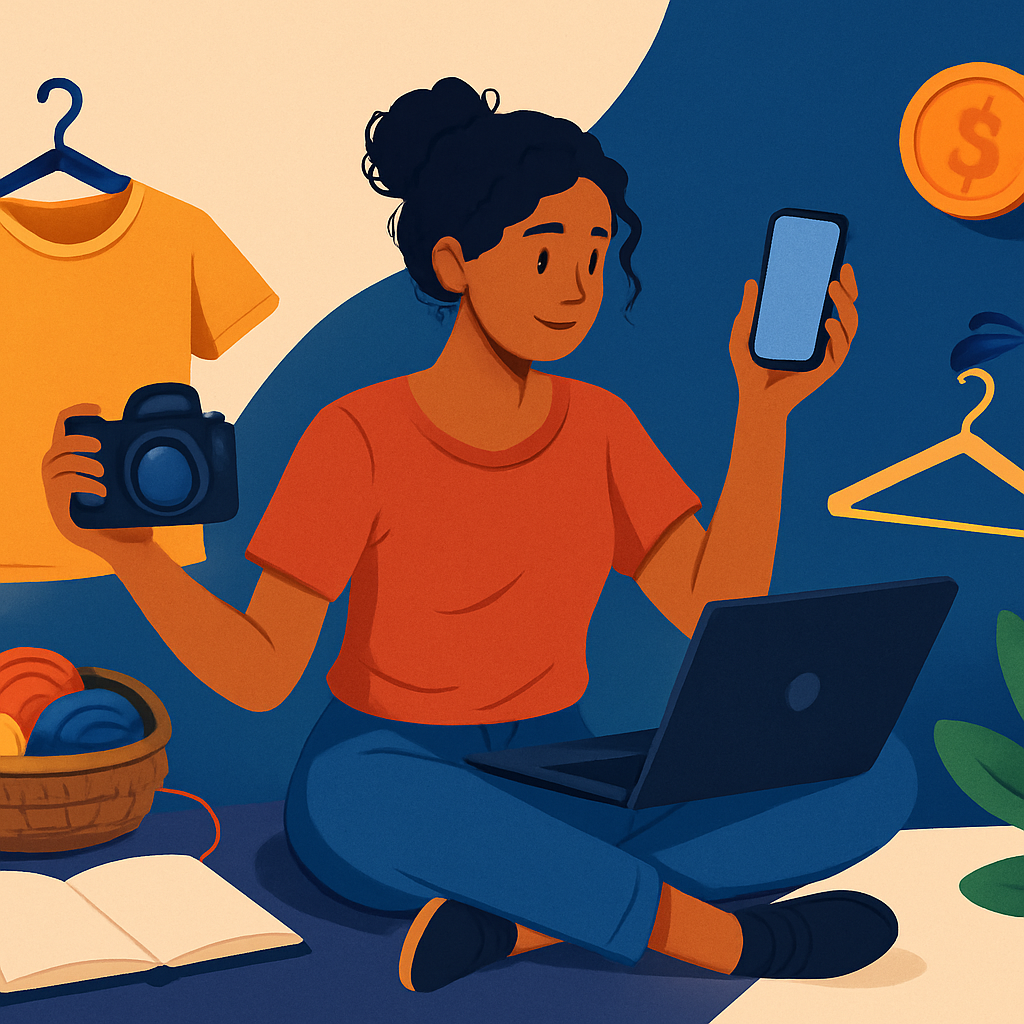

How to Make Passive Income as a Student: The Real Guide
Introduction
Picture this: You roll over in bed, check your phone, and—surprise!—there’s a little more money in your bank account than when you fell asleep. No extra shift. No late-night pizza delivery run. Just a trickle of income that showed up while you were dreaming about finals (or, let’s be honest, avoiding them).
That’s the magic of passive income. For students, passive income means setting up ways to earn money that don’t require you to trade every free hour for cash. You’re not just hustling for a paycheck—you’re building something that keeps working, even when you’re cramming for exams or binge-watching your favorite show.
Why do so many students chase passive income? Easy: Flexibility. Less stress. More time for studying, friends, and all the random college adventures you’ll remember years from now. But let’s set the record straight right away—most so-called “passive” income ideas aren’t instant or 100% hands-off. There’s a lot of hype out there, promising overnight riches or “set it and forget it” schemes.
Here’s the truth: Passive income takes real effort up front, and results aren’t always jaw-dropping. But for students who play it smart, it can mean a little less money stress and a lot more freedom.
Let’s get into what’s real, what’s not, and how you can actually make passive income as a student.
What is Passive Income for Students?
Passive Income vs. Side Hustles—Know the Difference
Let’s clear up a common mix-up. Passive income isn’t just any way to earn money outside a traditional job. Here’s a quick breakdown:
- Passive income: You do the work once, and the money keeps coming in (with little to no daily effort). Think: selling an e-book, earning dividends from stocks.
- Side hustles: You trade your time for money, again and again. Delivering food, tutoring live on Zoom, or walking dogs.
Example time: If you write a study guide and sell it online, that’s passive income. If you tutor someone every Wednesday night, that’s a side hustle. See the difference?
But here’s the catch—most passive income ideas need a fair bit of work at the start. You might spend hours making a YouTube video or building a website before you ever see a dime. After that, the income can keep rolling in with less effort. But there’s always some maintenance.
Why Passive Income Appeals to Students
Let’s be honest: College doesn’t leave you with loads of free time or piles of cash. Here’s why passive income is so popular with students:
- Fits your schedule. No clocking in required. You can work on your project at midnight or on Saturday mornings.
- Helps cover real costs. Tuition, textbooks, late-night pizza—college expenses add up fast. Even a small stream of income can make a difference.
- Teaches you real money skills. You’ll learn about online business, investing, marketing, and more—skills that pay off long after graduation.
And let’s not forget, having a financial cushion means fewer panic moments when your laptop dies or your car needs a new battery.
Common Myths About Passive Income in College
There’s a lot of noise online about quick, “set it and forget it” cash. Here are some myths we need to bust:
- Myth: “Set it and forget it.” Reality: Most passive income streams need regular check-ins, updates, or promotion.
- Myth: “You’ll get rich overnight.” Reality: Most students earn $10–$200/month from their first passive income stream. Not life-changing, but it adds up.
- Myth: “Anyone can make passive income with zero money or skills.” Reality: You need some time, effort, and usually a bit of know-how (but you can learn as you go).
What’s possible? With a laptop, Wi-Fi, and a dose of hustle, you can absolutely build up passive income in college. Just aim for steady progress, not instant millions.
The Prospects and Challenges of Making Money as a Student

Prospect: The Upside of Starting Early
Here’s why starting passive income in college is a genius move:
- Compound growth. Money you earn (or invest) now can grow and snowball over time.
- Learning by doing. You’ll pick up digital skills, marketing basics, even taxes—stuff you won’t always get in class.
- Building independence. Every dollar you earn passively is a dollar you don’t have to borrow or beg from your parents.
Real talk: Let’s say you start a tiny Etsy shop selling digital planners. You only earn $20 in your first month. Doesn’t sound like much? But fast-forward a year: Your shop could be making $100–$200/month, all while you’re focusing on finals and internships.
Challenge: Student Realities
Of course, it’s not all sunshine and cash. Here’s what you’re up against as a student:
- Limited time: Classes, clubs, and (hopefully) a social life eat up your calendar.
- Limited funds: You probably can’t sink $500 into a business idea or buy a ton of equipment.
- Low-risk required: You can’t afford to lose money, so safe bets matter.
Balancing all of this isn’t easy. It’s a bit like juggling flaming textbooks while riding a unicycle—possible, but tricky.
Myth vs. Reality—Is Passive Income for Students a Good Idea?
Let’s break it down:
| Pros | Cons | |
|---|---|---|
| Time | Flexible; work on your own schedule | Upfront work can be time-consuming |
| Money | Extra cash for expenses, savings, fun | Earnings usually start small |
| Skills | Learn marketable skills (writing, marketing, etc.) | Steep learning curve for some methods |
| Risk | Many options are low-risk with little money needed | Some investments and platforms have real risk |
Who should try passive income?
– Students with a little free time, curiosity, and willingness to learn.
– Not ideal if you’re already stretched to breaking point or need cash right now.
8 Proven Ways to Make Passive Income as a Student
1. Sell Digital Products Online
Have you ever made a study guide, résumé template, or flashcard deck that friends ask to copy? That’s a product. Here’s how you can cash in:
- E-books or study guides: Summarize your notes, add some design, and sell to classmates or online.
- Templates: Budget spreadsheets, resume/CV templates, or even planners.
- Where to sell:
- Etsy
- Gumroad
- Your own simple website
How it works: You create the product once. After that, each sale is mostly automatic—no extra effort needed per customer.
2. Start a Blog or YouTube Channel
Love explaining things, storytelling, or sharing hacks? Blogs and YouTube channels can become long-term income streams through:
- Ad revenue: From Google AdSense or YouTube’s partner program.
- Affiliate marketing: Recommend products and earn a cut when someone buys. (See Affiliate Marketing 101)
- Sponsorships: Once you have an audience, brands may pay you to mention their products.
Student-friendly niches: Study tips, campus life, cheap recipes, tech reviews. The key is picking something you actually care about—otherwise, you’ll burn out fast.
Want a complete guide? Check out The Ultimate Guide to Starting a Profitable Blog.
3. Print-on-Demand Merch
Got a knack for puns, memes, or design? Print-on-demand is a simple way to sell T-shirts, mugs, or stickers—no inventory or shipping headaches.
How it works:
- Design a graphic or slogan (think: “Midterm Survivor” mugs).
- Upload to a print-on-demand site (like Redbubble, Teespring, or Printful).
- Share your store link with friends or social media.
- They order; the site prints and ships; you get paid.
You only need to create the design once. After that, each order is handled for you.
4. Invest in Dividend Stocks or ETFs
This one sounds intimidating, but it’s more student-friendly than you might think. Dividend stocks (or ETFs—bundles of stocks) pay you a slice of profit every quarter.
- How to start:
- Use apps like Robinhood, Webull, or Fidelity—some let you get going with as little as $1.
- Buy shares in companies or funds that pay regular dividends.
- Rewards: Earn small payouts (dividends) just for holding the stock.
- Risks: Stock prices can drop. Don’t invest money you can’t afford to lose.
Example: You buy $100 of a dividend ETF. Every few months, you get a few dollars deposited—no effort at all.
5. Peer-to-Peer Lending & Crowdfunding
Here’s a twist: You can actually lend money to others through online platforms, earning interest as they pay you back.
- Peer-to-peer lending sites: LendingClub, Prosper.
- Crowdfunding real estate: Fundrise lets you pool money with others to invest in property.
Important: These methods carry risk—borrowers can default, or the market can dip. Start with small amounts and use platforms with good reputations.
6. Create an Online Course or Tutor Passively
If you’re top of your class in calculus, history, or even creative writing, you can record lessons or sell your notes.
- Record once, sell many times: Use Udemy or Teachable to upload video lessons.
- Sell notes: Some schools have marketplaces for buying and selling course notes (just check your school’s policies first!).
See also: Launch a Rewarding Career as an Online Tutor.
7. Rent Out Stuff You Own
Got a bike, graphing calculator, or even a spare phone? You can rent out gear to other students.
- How to do it: Use apps like Fat Llama or campus Facebook groups.
- What to rent: Bikes, textbooks, cameras, projectors, even kitchen appliances.
- Safety: Always use secure payment methods and get a deposit if possible.
8. Cashback, Rewards, and Referral Programs
Not every passive income stream needs creative genius. Sometimes, it’s about making the most of what you already spend.
- Cashback apps: Rakuten, Honey, or your credit card’s rewards program.
- Referral bonuses: Many apps (Uber Eats, Robinhood, PayPal, Venmo) give you cash or credits when friends sign up with your link.
Reality check: Most students earn $10–$50/month this way, but hey—that’s a couple of free pizzas.
How to Get Started: Step-by-Step for Students

Assess Your Skills, Time, and Resources
Before you dive in, take a quick inventory:
- How much free time do you have each week?
- What skills do you already have? (Writing, design, tutoring, tech, etc.)
- Do you have $0, $50, or $200 to get started?
- What do you enjoy doing?
Match your answers with the ideas above. If you love writing and have an hour a week, blogging or e-books are a fit. If you’re short on time and cash, try cashback apps or renting out gear.
Set Realistic Goals—Money, Time, and Risk
Let’s set expectations so you don’t burn out:
- How much can you realistically make?
- Most beginner passive income streams bring in $10–$200/month after a few months.
- How much time can you invest up front?
- Some ideas (blogging, courses) take 10–20 hours to set up.
- How much risk can you tolerate?
- Stick to low/no-cost options if money’s tight.
Avoid common traps:
– “Guaranteed” profits.
– High upfront fees.
– Anything that smells like a pyramid scheme.
Build, Launch, and Test Your First Passive Income Stream
Here’s a simple roadmap:
- Pick one idea from above that matches your skills and resources.
- Set up your account or product. (Etsy shop, YouTube channel, etc.)
- Launch. Get your first product, video, or investment live.
- Promote. Share with friends, post on social, or run a small ad.
- Monitor results for 1–2 months. Tweak your approach if needed.
Don’t try to master everything at once. Build one stream, learn, and add more over time.
Staying Safe—Avoiding Scams and Pitfalls
The Internet is full of “too good to be true” offers. Here’s how to stay safe:
- Red flags:
- Upfront fees to “unlock” opportunities.
- Promises of huge, instant returns.
Vague business models—if you can’t explain how it works, walk away.
Get advice: Ask upperclassmen, student organizations, or check trusted forums like Reddit’s r/personalfinance.
Double-check: Google the company or platform for reviews and complaints before signing up.
Student Money Myths and Tips (Save & Grow Your Cash)
10 Real-World Money-Saving Tips from Students
Saving money is half the battle. Here are tried-and-true tips straight from college survivors:
- Buy used textbooks or borrow from the library.
- Share streaming accounts with roommates (where allowed).
- Cook in bulk and freeze leftovers—cheaper than takeout.
- Hunt for student discounts everywhere (Spotify, Amazon, local restaurants).
- Use public transportation or a bike instead of a car.
- Track spending with a simple app (Mint, YNAB, or even a spreadsheet).
- Attend campus events for free food and entertainment.
- Unsubscribe from “deal” emails to avoid impulse buying.
- Limit credit card use to what you can pay off each month.
- Start a ‘no-spend’ challenge for a week—see how much you save.
Every dollar you don’t spend is a dollar that can go towards your future.
Smart Debt & Borrowing—What to Watch Out For
Let’s talk about the elephant in the dorm room: debt.
- Student loans: Only borrow what you truly need—remember, you’ll be paying it back with interest.
- Credit cards: Useful for building credit (and cashback), but dangerous if you can’t pay off the balance monthly. Interest rates are no joke.
- Passive income and debt: Don’t use passive income just to cover monthly debt payments. Focus on reducing expenses and building a cushion.
Rule of thumb: If you’re using loans or credit cards to fund a business, stop and rethink. Low-risk, low-cost is the way to go as a student.
Building Financial Wellbeing in College
Here’s the secret sauce: Wealth isn’t just about making money—it’s about habits.
- Mindset: See money as a tool, not a stressor.
- Habits: Track spending, save regularly, and invest early (even if it’s $5/month).
- Systems: Automate savings, set calendar reminders for bills, and review your accounts weekly.
Start small, stay consistent, and you’ll be miles ahead of most classmates by graduation.
FAQ: Passive Income for Students
What are the best side hustles for students?
Side hustles are different from passive income. Popular options include:
- Tutoring (in-person or online)
- Food delivery (Uber Eats, DoorDash)
- Freelance writing or editing
- Pet sitting or dog walking
- Website usability testing
For more options, see our side gigs guides.
Can you really earn money passively as a student?
Yes—with effort, patience, and smart choices. Most students start with small streams like selling digital products, earning ad revenue, or using cashback apps. The trick is to build something that runs with less effort over time.
How much money can you realistically make?
Most student passive income streams start at $10–$200/month. Growth depends on your skills, time invested, and method. Some students scale up to $500+/month, but that’s rare without a lot of effort and learning.
Do I need money to start?
Not always—there are plenty of no-cost or low-cost options. Blogging, YouTube, digital products, and cashback/referral programs all have very low barriers to entry. Investing does require some cash, but you can start small.
How do taxes work for student passive income?
If you earn more than a few hundred dollars, you may need to report your income on your tax return. Keep records of your earnings and expenses. If you’re unsure, check with your school’s financial office or a tax pro.
Conclusion
Passive income as a student isn’t a fantasy, but it’s not magic, either. It takes real effort—especially upfront—but the payoff is more freedom, less stress, and money skills that last.
Here’s your nudge: Pick one idea from this guide. Give it a try this week. Watch what happens. Worst case, you learn something new. Best case, you wake up to a few extra dollars in your account—and that’s a feeling worth chasing.
Ready to get started? Your future self (and your wallet) will thank you.
Comparison Table: Passive Income Ideas for Students
| Idea | Upfront Effort | Cost to Start | Ongoing Time | Typical Earnings | Risk Level |
|---|---|---|---|---|---|
| Sell Digital Products | Medium | Low | Low | $10–$200/mo | Low |
| Blog/YouTube | High | Low | Medium | $10–$500+/mo | Low |
| Print-on-Demand Merch | Medium | Low | Low | $10–$100/mo | Low |
| Dividend Stocks/ETFs | Low | Medium | Low | $1–$20/mo | Medium |
| Peer-to-Peer Lending | Low | Medium | Low | $5–$50/mo | Medium-High |
| Online Course/Tutor | High | Low | Low | $20–$200/mo | Low |
| Rent Out Stuff | Low | None | Low | $5–$50/mo | Low |
| Cashback/Referral | None | None | None | $5–$50/mo | None |